
Medically Reviewed by Esteem Dental And Orthodontic Team on November 11, 2024
Medically Reviewed by Dr. Pablo Espinal Garcia, DDS on September 2, 2026
Wisdom teeth, also known as third molars, often emerge in late adolescence or early adulthood. While some people experience no issues with their wisdom teeth, others may face complications like pain, crowding, or infection. Knowing the signs that point toward removal, and when watchful monitoring is enough, can make a real difference in your oral health.
At Esteem Dental, we prioritize your comfort and well-being, working to identify the right treatment at the right time to help maintain a healthy smile. With years of experience providing dental care, we take pride in offering treatment plans that can be tailored to your needs. Our team will guide you through the process with the care and clear communication you deserve.
Signs You May Need Wisdom Tooth Removal
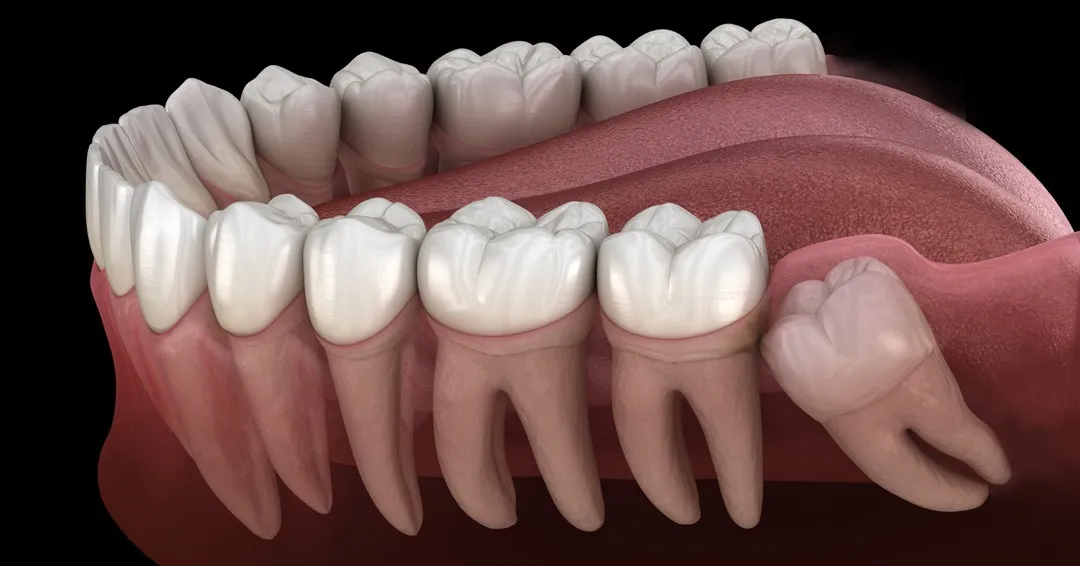
While some patients never need their wisdom teeth removed, this is not the case for everyone. Many dental patients will need to have one or more wisdom teeth removed at some point, depending on how many are present and how they are positioned. While there may be up to four wisdom teeth, some patients only grow one, two, or three.
The following are signs and symptoms that indicate wisdom tooth removal could be necessary for you:
- Persistent pain or swelling
- Difficulty opening the mouth
- Bad breath or unusual taste
- Signs of infection around the area
- Cysts near the wisdom teeth
- Crowded teeth that orthodontic tools do not help with
- Damage to nearby teeth caused by growing wisdom teeth
- Tooth decay, either in the wisdom teeth exclusively or all around the oral cavity
- Gum disease
- Additional complications with braces and orthodontic tools
- Earaches, headaches, or facial swelling
The best way to avoid complications caused by wisdom teeth is by seeing your dental providers regularly. General dentists can refer you to a dental surgeon or other qualified providers when needed. In the best case, your dentist can identify how your wisdom teeth are developing and whether they are likely to cause problems down the line.
If you need assistance with your wisdom teeth, please reach out to our team at Esteem Dental. We’re happy to answer any questions you may have.
What Professional Guidelines Say About Timing
According to a 2024 white paper from the American Association of Oral and Maxillofacial Surgeons, third molars associated with disease, or at meaningful risk of developing disease, are generally candidates for surgical management, while wisdom teeth that are fully erupted, functional, and free of decay or gum problems can often be monitored with regular checkups and periodic X-rays instead. Common indications for removal noted in the guidance include repeated or severe pericoronitis (infection around a partially erupted tooth), decay or nerve involvement that cannot be adequately cleaned or treated, cysts or other growths forming around an impacted tooth, and orthodontic needs related to crowding of the front teeth. This is one reason a consultation matters: the right course of action depends on what your dentist actually sees on your X-rays and exam, not on age alone.
What Happens During Wisdom Tooth Removal?
Before you have your wisdom teeth removed, you will have a consultation with your dental provider. During this time, your provider will collect X-rays and discuss your options for care, such as whether you would like to be awake or asleep during the procedure.
If the tooth is not visible, your provider will make a small incision into the gums to access the wisdom tooth. If the tooth is impacted or partially covered by bone, your provider may remove a small amount of bone. Once the tooth is fully exposed, it will be loosened and carefully removed from its socket. Your provider may also section the tooth into smaller pieces to make extraction easier.
Following the extraction, your provider will clean out any remaining debris. Your dentist may need to close incisions with dissolvable stitches, and gauze can be placed over the extraction site to help control bleeding and support clot formation.
Tips for Healing and Aftercare Following Wisdom Tooth Removal
After your wisdom teeth are removed, you may experience some pain and discomfort during healing. We encourage you to use the following tips for managing the healing process:
- Eat soft and liquid foods for a few days, limiting chewing to teeth unaffected by the surgery.
- Use over-the-counter painkillers and ice packs, as recommended by your provider, to help manage pain and inflammation.
- Avoid heavy activities for the first few days, including activities that could increase your heart rate.
- Refrain from smoking tobacco products for the first few days.
- Avoid alcoholic, caffeinated, carbonated, or hot beverages in the first 24 hours.
If you have any questions about aftercare following your wisdom teeth removal, reach out to our team at Esteem Dental.
Watching for Warning Signs After Surgery
Most recoveries progress smoothly, but it helps to know what warrants a call to your provider. Contact your dentist if you notice a fever, bleeding that does not slow down with gentle pressure, worsening pain after the first few days instead of gradual improvement, or numbness that lasts longer than expected. These symptoms do not always mean something has gone wrong, but they are worth having a provider evaluate rather than waiting to see if they resolve on their own.
Why Choose Esteem Dental for Wisdom Tooth Removal?
At Esteem Dental, we understand that wisdom tooth removal can be a daunting decision, but with our personalized approach and attentive care, you can feel confident that you’re in capable hands. With years of experience, we aim to provide a seamless and comfortable experience, from consultation to recovery.
If you’re experiencing any signs that wisdom tooth removal might be necessary, we’re here to help you every step of the way. Use our contact form to schedule a consultation.
Frequently Asked Questions About Wisdom Tooth Removal
Do all wisdom teeth need to be removed?
No. Wisdom teeth that erupt fully, sit in a healthy position, and stay free of decay or gum problems can sometimes be monitored rather than removed. Regular checkups and X-rays help a dentist track whether that remains the case over time.
At what age are wisdom teeth typically removed?
Wisdom teeth most often develop and cause concerns during the late teenage years through the early twenties, which is when many patients have them evaluated or removed. Timing still depends on the individual, since some people develop symptoms earlier or later than average.
Is wisdom tooth removal painful?
The procedure itself is performed under local anesthesia, sedation, or general anesthesia, so discomfort during removal is minimized. Some soreness and swelling during the days after surgery is common, and it can typically be managed with the aftercare steps your provider recommends.
How long does recovery take after wisdom tooth removal?
Most patients notice significant improvement within three to four days, with full healing of the gum tissue taking a couple of weeks. Recovery time can vary depending on how many teeth were removed and whether they were impacted.
What happens if an impacted wisdom tooth is left untreated?
An impacted wisdom tooth that is left untreated can contribute to infection, crowding of nearby teeth, cyst formation, or damage to adjacent teeth over time. Regular monitoring helps a dentist catch these changes early, before they become more serious.
About the Author
General Dentist, Esteem Dental & Orthodontics
Dr. Garcia earned his Doctor of Stomatology degree from the Pontificia Universidad Catolica Madre y Maestra, an international postgraduate degree in prosthodontics from Universidad Iberoamericana, and his Doctor of Dental Surgery credential following a residency at The MetroHealth Medical Center in Cleveland, Ohio. He is a member of the American Dental Association, the Florida Dental Association, and the Academy of General Dentistry.

Dr. Jordan Jones, DDS
Dr. Jordan Jones leads the experienced team at Esteem Dental, providing comprehensive family dental care to the Winter Garden and Lake Nona communities. With a focus on general dentistry, pediatric care, and orthodontics, Dr. Jones combines advanced techniques with a compassionate approach to ensure every patient receives personalized, quality treatment in a comfortable environment.
✓ Medically Reviewed
