
Medically Reviewed by Esteem Dental And Orthodontic Team on December 2, 2025
Medically Reviewed by Dr. Stephen Greene, DDS on September 2, 2026
Traditional metal braces and Invisalign clear aligners are the two most common ways to straighten teeth, and each one moves teeth effectively while offering a different day-to-day experience. Both treatments correct crowding, spacing, and bite issues, but they differ in appearance, comfort, maintenance, and the types of cases they handle best. Understanding these differences helps you make an informed decision about which option fits your lifestyle and orthodontic needs.
At Esteem Dental, our team provides both traditional braces and Invisalign at our Winter Garden and Lake Nona locations. We work with each patient to choose the most effective treatment based on their needs, lifestyle preferences, and orthodontic goals, and we welcome patients of every age who are curious about orthodontic care in Lake Nona.
Treatment Process and Technology
Metal braces are made of metal brackets bonded to each tooth, connected by wires that slowly apply pressure to move teeth into alignment. Your orthodontist adjusts these wires during regular appointments to continue the tooth movement process. The treatment requires periodic tightening sessions every four to six weeks to help support steady progress toward your desired smile.
Invisalign uses a sequence of customized clear aligners that fit snugly over your teeth. Each set of aligners is typically worn for about two weeks before switching to the next set in the series. The aligners apply gentle, consistent pressure to gradually shift teeth into their correct positions. Most patients wear clear aligners for 20-22 hours per day, only removing them for meals and oral hygiene, according to the American Association of Orthodontics.
The digital planning process for Invisalign involves creating a 3D model of your teeth, which lets you preview your expected results before treatment begins. Traditional braces rely more on the orthodontist’s expertise and periodic adjustments based on progress observations, and both approaches benefit from the same attention to how crowded or rotated teeth respond to steady pressure.
Appearance and Aesthetics
The most obvious difference between these treatments lies in their visibility. Traditional metal braces are highly noticeable, featuring metal brackets and wires across the front surfaces of your teeth. While some patients, particularly teens, embrace this look as a rite of passage, others prefer more discreet options.
Invisalign aligners are nearly invisible when worn, made from clear, medical-grade plastic that blends naturally with your teeth. This aesthetic advantage makes Invisalign particularly popular among adults and image-conscious teenagers who want to straighten their teeth without drawing attention to their treatment.
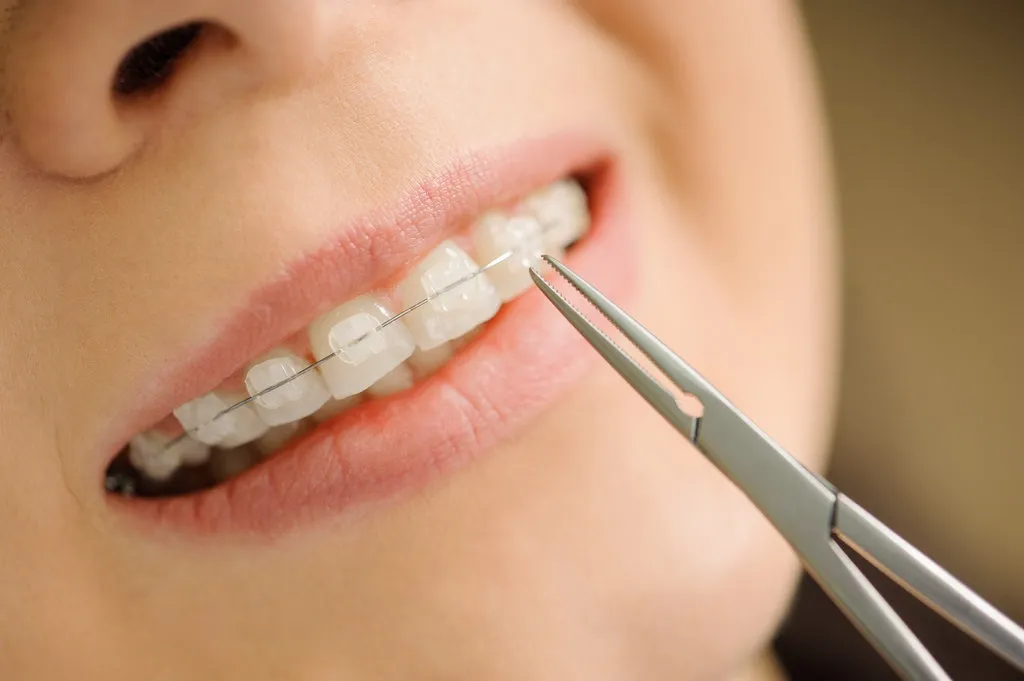
Some patients choose clear braces as a middle-ground option, which use tooth-colored or clear brackets with less noticeable wires.
Who Tends to Be a Good Candidate for Each Option
Candidacy for either treatment depends on the complexity of your bite, your oral hygiene habits, and your day-to-day routine. According to a 2025 overview from the University of Iowa College of Dentistry summarizing ADA and NIH guidance, most adults and teens with mild to moderate alignment issues can expect comparable clinical outcomes from either braces or Invisalign, while more complex movements, such as significant rotations or major bite corrections, may still call for traditional braces. Aligners also depend on consistent daily wear, so patients who are unable to keep them in for the recommended hours each day may see slower progress.
Patients who are still deciding between the two, or wondering whether orthodontic treatment is still an option later in life, are welcome to bring these questions to a consultation so we can evaluate the specific case in front of us rather than a general rule of thumb.
Comfort and Daily Life Impact
Comfort levels vary significantly between these treatment options. Traditional braces can cause initial discomfort when first placed and after adjustment appointments. The brackets and wires may aggravate the inside of your mouth, particularly during the adjustment period, though most patients adapt to this sensation within a few weeks.
Invisalign aligners are typically more comfortable, with no sharp edges or protruding wires. You may experience mild pressure when switching to new aligners, but this typically subsides within a day or two. The smooth plastic surface does not irritate oral tissues the way metal components sometimes can.
Eating experiences differ considerably between treatments:
- Traditional braces: Require dietary restrictions to avoid foods that could damage brackets or become stuck in wires, including sticky candies, hard nuts, and chewy foods
- Invisalign: Allows you to eat anything you want since the aligners are removed during meals
- Oral hygiene: Traditional braces require special cleaning tools and techniques, while Invisalign allows normal brushing and flossing once the aligners are removed
Ultimately, the decision between traditional braces and Invisalign depends on your priorities regarding appearance, comfort, diet, and the complexity of your orthodontic needs. Discussing these factors with your orthodontist will help you weigh the pros and cons of each treatment and choose the path that leads toward your healthiest, most confident smile.
Treatment Effectiveness and Limitations
Both treatments effectively address common orthodontic issues, but their capabilities vary for complex cases. Traditional braces can handle a wide range of orthodontic problems, including significant crowding, notable bite issues, and complex tooth rotations. The constant pressure from wires and brackets provides precise control over tooth movement in multiple directions at once.
Invisalign works well for mild to moderate orthodontic issues, including spacing problems, minor crowding, and certain bite corrections. Complex cases involving significant tooth rotations, severe overcrowding, or major bite adjustments may still call for traditional braces to reach the best possible result.
Your orthodontist will evaluate your specific case complexity to recommend the treatment option that is most appropriate for your smile.
What Treatment Length Typically Looks Like
Treatment timelines vary by case, but most traditional braces treatments run between 18 and 30 months, while Invisalign often completes mild to moderate cases in 12 to 18 months. More complex cases with either option can take longer. Regular appointments, whether for wire adjustments or aligner check-ins, give your provider the chance to track progress and make adjustments as needed, so keeping those visits on schedule can help treatment stay on track.
Get Orthodontic Care at Esteem Dental
Choosing between traditional braces and Invisalign depends on your individual needs, lifestyle preferences, and orthodontic requirements. At Esteem Dental, our team provides thorough orthodontic evaluations to help you decide what fits your smile goals, and we offer both treatment options with care that considers your unique situation and preferences.
Whether you choose traditional braces for their proven versatility or Invisalign for its aesthetic advantages, our team will guide you through every step of your treatment journey. Contact us today to schedule your consultation and discover which orthodontic solution may be right for you.
Frequently Asked Questions About Braces and Invisalign
Is Invisalign as effective as traditional braces?
For mild to moderate alignment issues, Invisalign and traditional braces often produce comparable results. For more complex movements, such as significant rotations or major bite corrections, traditional braces may offer more precise control. An orthodontic evaluation is the best way to determine which option suits a particular bite.
How do I know if I am a candidate for Invisalign?
Good candidates typically have mild to moderate crowding, spacing, or bite concerns and can commit to wearing aligners for the recommended hours each day. Patients with more complex orthodontic needs, or those who may struggle with consistent wear time, are often better served by traditional braces or a hybrid approach.
Do traditional braces hurt more than Invisalign?
Traditional braces can cause more noticeable soreness after placement and adjustments because the brackets and wires exert direct pressure on teeth and can rub against the cheeks and lips. Invisalign aligners tend to feel like mild pressure when switching to a new set, which usually eases within a day or two.
Can adults still get braces or Invisalign?
Yes. Adult orthodontic treatment is common, and both braces and Invisalign can work well as long as the teeth and gums are healthy enough to support tooth movement. Many adults choose Invisalign specifically for its discreet appearance during treatment.
How often do I need to see the orthodontist during treatment?
Traditional braces generally require in-office adjustments every four to six weeks. Invisalign check-ins are often spaced further apart since patients switch aligner sets at home, though periodic visits are still needed to confirm the trays are tracking properly with the treatment plan.
About the Author
Orthodontist, Esteem Dental & Orthodontics
Dr. Greene earned his Doctorate of Dental Surgery from Howard University College of Dentistry and completed a combined PhD in Biomedical Science and Pediatric Dentistry at the University of Alabama at Birmingham. He is a board-eligible pediatric dentist with training in early orthodontic treatment, traditional braces, and clear aligner therapy, and he is a member of the American Association of Orthodontics, the American Dental Association, and the Florida Dental Association.

Dr. Jordan Jones, DDS
Dr. Jordan Jones leads the experienced team at Esteem Dental, providing comprehensive family dental care to the Winter Garden and Lake Nona communities. With a focus on general dentistry, pediatric care, and orthodontics, Dr. Jones combines advanced techniques with a compassionate approach to ensure every patient receives personalized, quality treatment in a comfortable environment.
✓ Medically Reviewed
