
Medically Reviewed by Esteem Dental And Orthodontic Team on March 8, 2025
Most common beliefs about Invisalign, such as the idea that it only works for minor problems, costs far more than braces, or produces results that will not last, are either outdated or only partly true. When considering orthodontic treatment, many patients are drawn to Invisalign for its discreet appearance and convenience, yet these misconceptions often keep people from finding out whether it might be right for them. Knowing the facts can help you make a more informed decision about your orthodontic options.
At Esteem Dental, we provide Invisalign treatment for teens and adults at our Lake Nona and Winter Garden offices. Our team can help determine if clear aligners are appropriate for your specific orthodontic needs while addressing any concerns you might have about the treatment process.
What Is Invisalign?
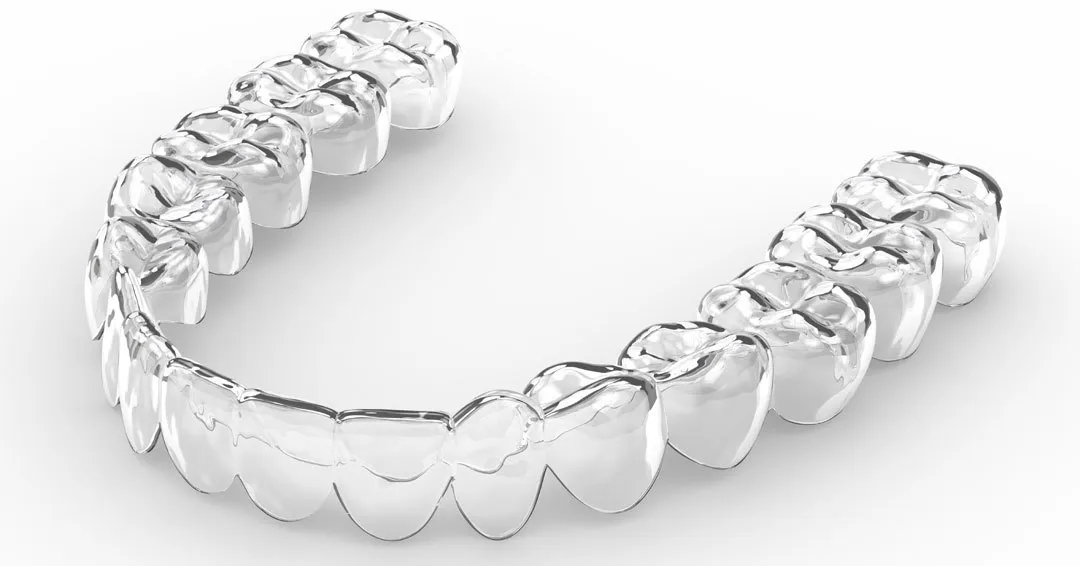
Invisalign is an orthodontic treatment system that uses a series of clear, removable aligners to gradually straighten teeth. These custom-made plastic trays fit snugly over your teeth and apply gentle pressure to shift them into proper alignment over time.
Unlike traditional metal braces, Invisalign aligners are nearly invisible when worn. The treatment process involves changing to a new set of aligners approximately every one to two weeks, with each set making incremental adjustments toward your final smile goal and regular check-ins with your orthodontist along the way.
Invisalign has evolved significantly since its introduction in the late 1990s. The system uses 3D imaging and treatment planning software to create a customized treatment plan for each patient. Before beginning treatment, patients can view a digital simulation of how their teeth are planned to move and a preview of the expected result, which helps with planning and setting realistic expectations.
Common Myths About Invisalign
Despite its growing popularity, Invisalign treatment is still surrounded by misconceptions that might prevent potential patients from considering it. Many of these myths stem from outdated information about earlier versions of clear aligner technology or from assumptions based on experiences with traditional braces. Here is what is true, what is partly true, and where each myth goes wrong.
Myth 1: Invisalign Only Works for Minor Dental Issues
One of the most persistent myths about Invisalign is that it’s only effective for very simple cases involving minor crowding or spacing. In reality, Invisalign can be used for a range of concerns, including crowding, gaps, and many bite problems such as overbites and crossbites. Attachments, which are small tooth-colored bumps temporarily bonded to teeth, help the aligners grip and guide more complex tooth movements than earlier versions could.
That said, clear aligners are not the right tool for every case. A 2018 systematic review in Progress in Orthodontics found consistent evidence that Invisalign is a viable alternative to braces for mild to moderate misalignment in patients who have finished growing and do not need extractions, with more limited results for some complex movements. During your consultation, your orthodontist can tell you whether your situation is a good fit, and our post on what makes a good Invisalign candidate covers this in more detail.
Myth 2: Invisalign Takes Longer Than Traditional Braces
Many people believe that choosing Invisalign means committing to a much longer treatment. For many patients, the timeline is similar. Most Invisalign patients at our practice complete treatment in about 12 to 18 months, depending on how complex the case is and how consistently the aligners are worn. Some simpler cases finish sooner, and more complex cases can take longer with either method.
The biggest factor you control is wear time. Because Invisalign aligners are removable, they need to be worn 20 to 22 hours per day to stay on schedule. Patients who leave their aligners out for long stretches may see delays. Our guide to factors that affect your Invisalign timeline explains what else can speed up or slow down treatment.
Myth 3: Invisalign Is Much More Expensive Than Braces
The belief that Invisalign always costs significantly more than traditional braces often deters people from considering it. In practice, cost depends mostly on the complexity and length of your treatment, and the difference between aligners and braces for a comparable case is often smaller than people expect.
Insurance coverage varies by plan. Some plans with orthodontic benefits apply them to clear aligners, while others have limits or exclusions, so it is worth checking your specific policy. Our office can verify your benefits and review estimated costs with you before treatment begins, and we offer financing through CareCredit and LendingClub to help spread out payments.
Myth 4: Invisalign Is Uncomfortable and Inconvenient
Some people avoid Invisalign based on concerns about discomfort or inconvenience. Many patients find aligners more comfortable than traditional braces, which have metal brackets and wires that can irritate the cheeks and lips. You may feel some pressure for a day or two after switching to a new set of aligners, which is a normal sign that your teeth are moving.
As for convenience, being able to remove the aligners is one of their biggest advantages. You take them out to eat and drink anything other than water, which means you are not limited to a braces-friendly diet, and you can brush and floss normally. The tradeoff is discipline: you need to brush before putting aligners back in and keep them in for most of the day. If you have attachments, our post on foods to avoid with Invisalign attachments has practical tips.
Myth 5: Invisalign Results Don’t Last
Some people worry that teeth straightened with Invisalign are more likely to shift back to their original positions after treatment. The stability of your results does not depend on whether you used Invisalign or traditional braces. It depends on proper retention after any orthodontic treatment.
All orthodontic patients, regardless of treatment method, need to wear retainers after their active treatment is complete. Your orthodontist will prescribe a specific retainer wear schedule to maintain your results, typically starting with more frequent wear for a period, followed by nighttime wear over the long term.
When retention instructions are followed, Invisalign results can be just as stable as those achieved with traditional braces. You can read more in our post on wearing retainers after Invisalign.
Myth 6: Invisalign Is Only for Adults
Invisalign is often marketed to adults, but teenagers can be excellent candidates too. Our pediatric orthodontic team offers Invisalign Teen, which is designed with features for younger patients who are still developing wear habits. Our comparison of Invisalign Teen and adult Invisalign explains the differences.
For younger children whose jaws are still growing, an orthodontist may recommend an early evaluation first. The American Association of Orthodontists recommends a first orthodontic check by age seven, and some children benefit from early orthodontic treatment before a full course of braces or aligners.
Who Is a Good Candidate for Invisalign?
Invisalign can be an excellent option for many teens and adults seeking orthodontic treatment. Good candidates often include:
- People who want a discreet orthodontic treatment option
- Those who can commit to wearing aligners for 20 to 22 hours daily
- Patients with good oral hygiene habits
- Individuals with common orthodontic issues, including crowding, spacing, and mild to moderate bite problems
- Teens and adults whose permanent teeth have come in
The best way to determine if Invisalign is right for you is to schedule a consultation with an orthodontic team that can evaluate your specific needs and explain every option, including braces when they would work better.
Contact Esteem Dental for Invisalign in Winter Garden
At Esteem Dental, our multi-specialty practice offers comprehensive orthodontic care, including Invisalign treatment for teens and adults. Both our Winter Garden office and our Lake Nona office serve as a convenient one-stop destination for your family’s dental needs, from general dentistry to orthodontic care. We create personalized Invisalign treatment plans and walk you through what to expect at each stage.
Ready to discover if Invisalign could be right for you? Our team can evaluate your specific situation and help you understand your orthodontic options. Reach out through our contact form to schedule your Invisalign consultation and take the first step toward the smile you’ve always wanted.
Frequently Asked Questions About Invisalign Myths
Does Invisalign hurt?
Most patients feel pressure or mild soreness for a day or two after switching to a new set of aligners. This is usually milder than the irritation brackets and wires can cause, and it tends to fade quickly as your teeth adjust.
Can I eat normally with Invisalign?
Yes, because you remove the aligners to eat and to drink anything other than water. You should brush before putting them back in so food is not trapped against your teeth, and keep track of time so you still reach 20 to 22 hours of daily wear.
Is my teenager too young for Invisalign?
Not necessarily. Many teens are good candidates once their permanent teeth have come in, and our practice offers Invisalign Teen. Your orthodontist will look at your teen’s tooth development and wear habits before recommending aligners or braces.
Does insurance cover Invisalign?
It depends on your plan. Some dental plans with orthodontic benefits apply them to clear aligners, while others do not or set lifetime limits. Our office can verify your benefits and review estimated costs and financing options before you start.
Will my teeth shift back after Invisalign?
Teeth can shift after any orthodontic treatment if retainers are not worn. Following your orthodontist’s retainer schedule is the best way to keep your results stable over the long term.

Dr. Jordan Jones, DDS
Dr. Jordan Jones leads the experienced team at Esteem Dental, providing comprehensive family dental care to the Winter Garden and Lake Nona communities. With a focus on general dentistry, pediatric care, and orthodontics, Dr. Jones combines advanced techniques with a compassionate approach to ensure every patient receives personalized, quality treatment in a comfortable environment.
✓ Medically Reviewed
