
Medically Reviewed by Esteem Dental And Orthodontic Team on April 5, 2026
Most clear retainers last anywhere from six months to several years depending on the material and how well they are cared for, while fixed bonded retainers can last a decade or longer with periodic checkups. Finishing Invisalign treatment is one of the more rewarding milestones in a smile transformation, but the work is not quite finished: retainers are what keep those results in place.
At Esteem Dental, we guide patients through every stage of treatment, from the first consultation through long-term retention. As a multi-specialty family practice in Winter Garden and Lake Nona, our team helps you protect your Invisalign retainers for the long haul, whether you just finished treatment or are wondering if your current retainer still has life left in it.
Why Retainers Matter After Invisalign
When Invisalign treatment ends, your teeth sit in their ideal position, but the bone and tissue around them still need time to stabilize. Without a retainer, teeth naturally begin drifting back toward their original position, a process called orthodontic relapse. Most patients notice measurable shifting within one to two years of stopping retainer wear entirely, particularly in the lower front teeth, which is why retention is treated as an ongoing commitment rather than a short final step.
Most patients wear their retainers full-time for the first three to six months after completing orthodontic treatment, then transition to nighttime-only wear, often for years afterward. The day-to-day burden becomes minimal after the first year, but the commitment itself is typically lifelong.
How Long Each Retainer Type Lasts
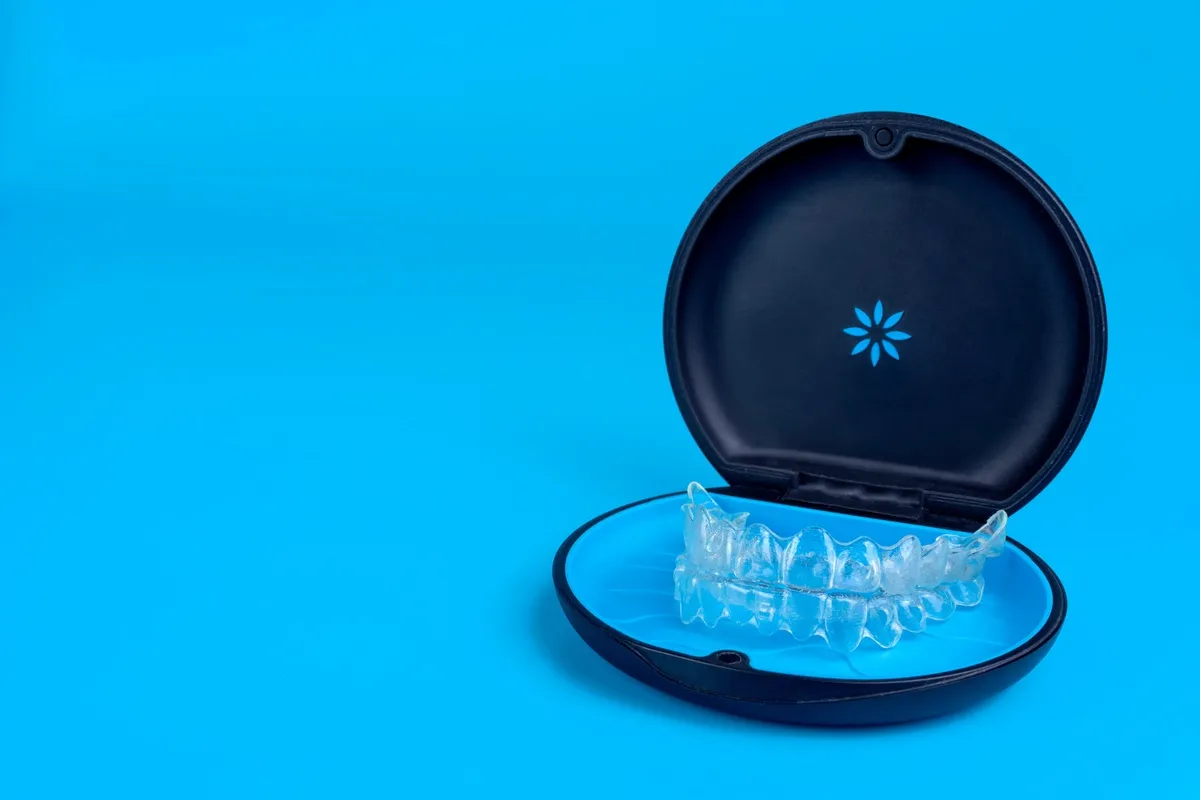
The most common retainer after Invisalign is a clear plastic retainer that looks similar to the aligners themselves. According to Invisalign’s own guidance, clear plastic retainers like Essix and Vivera may last from six months to several years depending on individual care habits and wear patterns.
- Clear Essix retainers: Thin and affordable, but they tend to show wear sooner. Most patients need to replace them every 6 to 12 months as the material clouds, cracks, or warps.
- Vivera retainers: Invisalign’s premium option, made from a stronger proprietary material that can last up to 10 years with proper care. They come in sets of four, so patients can rotate as needed.
- Hawley retainers: Traditional wire-and-acrylic retainers that are highly durable and can last 5 to 8 years or longer, though they are more visible than clear options.
- Fixed or bonded retainers: A thin wire bonded to the back of the front teeth, these can last 5 to 10 years or longer with proper maintenance, though they require occasional inspection and rebonding.
Our team can help you decide which type fits your bite, budget, and lifestyle best during a retainer check.
What Affects How Long Your Retainer Lasts
No two retainers wear at the same rate, even between patients who finished treatment at the same time. A handful of everyday habits make the biggest difference.
Cleaning Habits
Rinsing your retainer with cool water every time you remove it, and cleaning it with a soft toothbrush and mild soap rather than toothpaste, prevents the scratching and bacterial buildup that cause clouding and odor. Toothpaste is abrasive enough to dull the surface over time, which makes the retainer look worn well before it actually needs replacing.
Heat Exposure
Clear retainers are made from thermoplastic material that warps under heat. Leaving one in a hot car, rinsing it with hot water, or running it through a dishwasher can permanently distort the fit, and a retainer that no longer sits snugly stops doing its job even if it looks intact.
Teeth Grinding
Nighttime teeth grinding, or bruxism, places extra stress on a retainer during the exact hours most patients wear it. If you grind your teeth, expect your retainer to wear out faster than the typical timeline, and ask our team whether a nightguard makes sense alongside it to protect both the retainer and your teeth.
Signs It Is Time for a Replacement
Even with excellent care, every retainer eventually reaches the end of its useful life. Visible cracks, chips, or rough edges, cloudiness that will not clean off, a loose fit or visible gaps, persistent odor despite regular cleaning, or new discomfort in areas that never bothered you before are all signs it is time for a replacement rather than another few weeks of use.
Waiting too long after noticing these signs risks letting teeth shift, and correcting that movement can mean returning to braces or Invisalign for another round of treatment rather than a simple replacement retainer.
Protect Your Smile at Esteem Dental
Your Invisalign results reflect a real investment of time and commitment, and the retainer is what protects that investment for years afterward. Whether you are due for a retainer check, need a replacement, or are just starting to think about your post-treatment plan, our team can walk you through the options.
We are proud to be the one-stop family practice that Winter Garden and Lake Nona families count on for everything from pediatric care to advanced orthodontic services under one roof. Contact our office today to schedule a retainer check or replacement.
Frequently Asked Questions About Retainers After Invisalign
Do I really need to wear a retainer forever?
For most patients, yes, though the commitment shrinks significantly after the first year. Nightly or a few-nights-per-week wear over the long term is what prevents the gradual shifting that happens once retention stops entirely.
How quickly can teeth shift if I stop wearing my retainer?
Shifting can begin within months, especially in the first three to six months after treatment when the bone and tissue are still stabilizing. Noticeable relapse within one to two years is common among patients who stop wearing a retainer altogether.
Can I switch from a clear retainer to a fixed retainer later?
In many cases, yes, particularly if you are looking for a lower-maintenance long-term option. A fixed retainer is bonded behind the front teeth and does not require nightly removal, though it still needs periodic checkups.
Why does my retainer feel tight after not wearing it for a few days?
A tight fit after a short break usually means your teeth have already started to shift slightly. If a retainer feels tight but still goes on with gentle pressure, resume nightly wear right away and contact our team if the tightness does not ease within a few days.
Is it normal for a retainer to smell bad even after cleaning?
A persistent odor despite regular cleaning usually means bacteria or mineral buildup has settled into small scratches on the surface. At that point, cleaning alone will not fully resolve it, and it is a sign the retainer is due for replacement.

Dr. Jordan Jones, DDS
Dr. Jordan Jones leads the experienced team at Esteem Dental, providing comprehensive family dental care to the Winter Garden and Lake Nona communities. With a focus on general dentistry, pediatric care, and orthodontics, Dr. Jones combines advanced techniques with a compassionate approach to ensure every patient receives personalized, quality treatment in a comfortable environment.
✓ Medically Reviewed
