
Medically Reviewed by Esteem Dental And Orthodontic Team on May 17, 2024
Most people assume their dental plan covers orthodontics the same way it covers cleanings and fillings. In reality, orthodontic benefits are treated separately from routine dental coverage, and many plans either exclude them entirely or impose limits that significantly reduce what they actually pay. Understanding the structure of orthodontic coverage before starting treatment prevents billing surprises mid-treatment.
At Esteem Dental, Dr. Jordan Jones and our team help patients throughout Orlando and Winter Garden understand their coverage and plan for orthodontic treatment costs. Our staff can submit pre-authorization requests to your insurer so you have a clear picture of expected coverage before any treatment begins.
What Dental Insurance Generally Covers
Standard dental insurance is structured around three tiers: preventive care such as cleanings and X-rays, basic care such as fillings and extractions, and major care such as root canals and crowns. Orthodontics sits outside all three tiers in most plan designs. A plan that covers everything from routine exams to complex restorations may still offer no orthodontic benefit whatsoever unless that coverage was specifically included in the policy.
The specifics depend entirely on the individual policy, which is why reviewing your actual plan documents rather than assuming coverage is the most important first step before consulting an orthodontist.
Understanding Orthodontic Coverage in Dental Insurance
Plans that do include orthodontic benefits typically pay a percentage of treatment costs, most commonly 50 percent, up to a lifetime maximum. That lifetime maximum is the single most important number to know before starting treatment. Once it is reached, the insurance will not contribute further regardless of how much treatment remains. Lifetime maximums for orthodontic coverage commonly fall between $1,000 and $1,500, though some employer-sponsored plans offer higher limits.
Most orthodontic benefits are also subject to a waiting period before they can be used, typically six to twelve months after the policy begins. This means enrolling in a plan specifically because you want to start orthodontic treatment immediately may not work as expected.
Children vs. Adult Coverage
Children and teens are far more likely to have orthodontic benefits under a dental plan than adults. Most plans that include orthodontic coverage limit it to dependent children under age 18 or 19, sometimes extending to age 26 for dependents who remain on a parent’s plan. Adult orthodontic coverage exists but is less common, tends to come with the same lifetime maximum as child coverage, and often requires a plan specifically designed to include adult benefits.
Traditional Braces
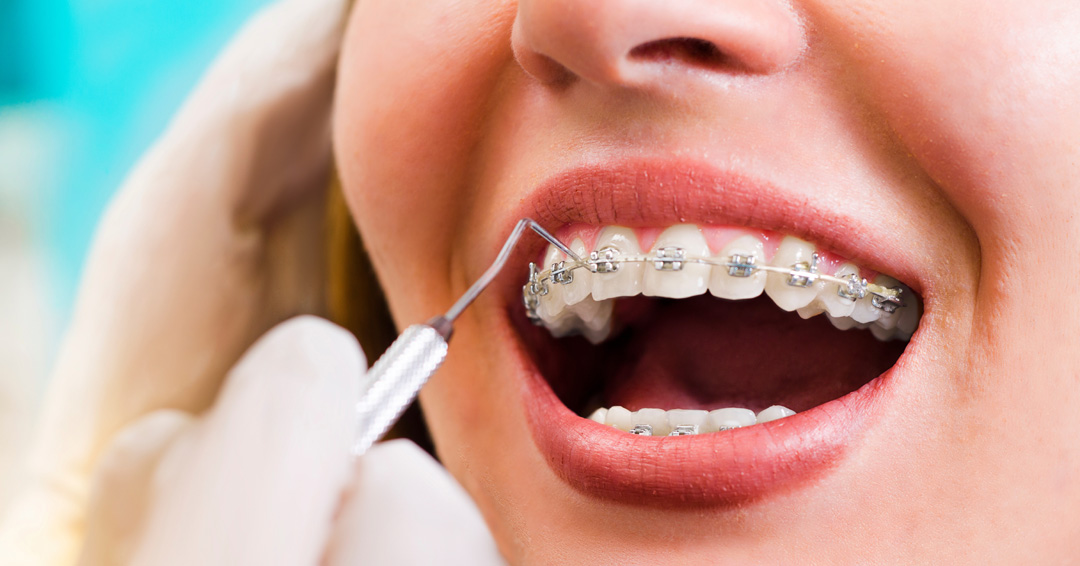
When a plan includes orthodontic coverage, traditional metal braces are almost always included. Coverage typically applies to the full course of treatment, brackets, wires, and adjustments, up to the lifetime maximum. Some plans require a waiting period before coverage activates, and in-network provider requirements may also apply.
Clear Braces
Clear ceramic braces are generally covered under the same orthodontic benefit as traditional braces on most plans, though some insurers apply a higher copayment or deductible for the aesthetic option. Confirm with your insurer whether the same lifetime maximum applies to both.
Invisalign and Clear Aligners
Invisalign is treated inconsistently across plans. Some apply the same lifetime maximum to clear aligners as to traditional braces. Others distinguish between them or exclude aligners entirely. Because of this variability, always ask your insurer specifically about aligner coverage rather than assuming it mirrors braces coverage.
Employer Plans vs. Individual Plans
Employer-sponsored dental plans are more likely to include orthodontic benefits than individual plans purchased directly. Group plans negotiated by employers often carry higher lifetime maximums and broader age eligibility. Individual dental plans, including those available through the Affordable Care Act marketplace, vary widely. Some include orthodontic coverage and some do not, and the ACA mandates orthodontic coverage only for children in dental plans sold through the marketplace, not for adults.
If your employer’s plan does not include orthodontic benefits, standalone orthodontic discount plans are available as an alternative. These are not insurance but provide reduced rates at participating practices in exchange for an annual membership fee.
Medicaid and CHIP Coverage
For children, Medicaid and the Children’s Health Insurance Program may cover orthodontic treatment when it is considered medically necessary, typically meaning the misalignment significantly impacts function rather than being primarily cosmetic. Each state administers its own program with different eligibility and coverage criteria, so contacting Florida Medicaid or CHIP directly is the most reliable way to confirm whether a specific child qualifies for orthodontic benefits.
How to Find Out What Your Plan Covers
Check your insurance policy documents for a section labeled orthodontic coverage or orthodontic benefits. Look for the lifetime maximum, the percentage paid after the deductible, any age restrictions, and any waiting period requirements. If the language is unclear, a call to your insurer’s member services line will give you direct answers. Our team is also happy to contact your insurer on your behalf and submit a pre-authorization request to get projected coverage details before you commit to a treatment plan.
Alternatives When Insurance Does Not Cover Orthodontics
If your plan does not include orthodontic coverage, several options can make treatment more manageable. Flexible spending accounts and health savings accounts both accept orthodontic treatment as an eligible expense, which reduces the effective cost by your marginal tax rate on the contributed amount. Our office offers financing options including CareCredit and LendingClub, which allow treatment costs to be spread over time. Our team will walk you through all available options so cost does not prevent you from moving forward with treatment your smile needs.
Frequently Asked Questions About Dental Insurance and Orthodontics
Does insurance cover orthodontics for adults or only children?
Most dental plans that include orthodontic benefits limit them to dependent children under age 18 or 19. Adult orthodontic coverage exists but is less common, typically requires a plan that specifically includes it, and usually draws from the same lifetime maximum as child coverage.
What is a lifetime maximum for orthodontic coverage?
A lifetime maximum is the total dollar amount your insurance will ever pay toward orthodontic treatment across your entire time on the plan. Once that amount is used, you are responsible for all remaining costs. Typical lifetime maximums range from $1,000 to $1,500.
Does dental insurance cover orthodontic retainers?
Initial retainers provided at the end of active orthodontic treatment are often included in the overall treatment cost. Replacement retainers are typically billed separately and may fall outside the orthodontic benefit entirely, so it is worth confirming with your insurer.
Can I use an FSA or HSA to pay for orthodontic treatment?
Yes. Orthodontic treatment qualifies as an eligible expense under both flexible spending accounts and health savings accounts. Using pre-tax dollars effectively reduces your out-of-pocket cost by your tax rate on the amount contributed.
How do I estimate my out-of-pocket cost before starting treatment?
Our team can submit a pre-treatment estimate to your insurance provider before any treatment begins. The insurer returns projected coverage details so you know the expected out-of-pocket amount before committing to a treatment plan. This step is the most reliable way to avoid billing surprises.
Have Questions About Orthodontic Coverage? Contact Esteem Dental Today
Understanding your dental benefits before treatment begins makes the whole process easier. At Esteem Dental, our team works with patients and their insurance providers to clarify coverage, submit pre-authorizations, and identify financing options when coverage falls short. Dr. Jordan Jones and our Orlando orthodontic team are committed to helping every patient access the treatment they need with a clear financial picture in hand.
Reach out through our contact form to get in touch and let us help you sort out the details before your first orthodontic appointment.

Dr. Jordan Jones, DDS
Dr. Jordan Jones leads the experienced team at Esteem Dental, providing comprehensive family dental care to the Winter Garden and Lake Nona communities. With a focus on general dentistry, pediatric care, and orthodontics, Dr. Jones combines advanced techniques with a compassionate approach to ensure every patient receives personalized, quality treatment in a comfortable environment.
✓ Medically Reviewed
