
Medically Reviewed by Esteem Dental And Orthodontic Team on June 3, 2025
Completing your Invisalign treatment marks a significant milestone in your journey toward a perfect smile, but it’s actually just the beginning of maintaining those beautiful results for a lifetime. Many patients mistakenly believe that once their aligners come off, their orthodontic journey is complete. However, the reality is that teeth naturally tend to shift back toward their original positions—a phenomenon called relapse. This is where retainers become an essential component in preserving the investment you’ve made in your smile.
At Esteem Dental, our Winter Garden team emphasizes the critical importance of proper retainer use following any orthodontic treatment, including Invisalign. Our multi-specialty practice provides comprehensive care throughout your entire orthodontic journey, from initial consultation through the retention phase. We believe understanding why retainers matter is key to ensuring your newly aligned smile remains straight and healthy for years to come.
Why Retainers Are Essential After Invisalign
The moment your Invisalign treatment concludes, your teeth enter a vulnerable period. Though they appear perfectly positioned in their new alignment, the supporting structures around them—including bone, ligaments, and gum tissue—need time to stabilize. These tissues have memory and initially resist the changes made during treatment, creating forces that can gradually push teeth back toward their original positions.
Retainers work by counteracting these natural shifting tendencies while giving the surrounding tissues time to adapt to the new tooth positions. Without proper retention, the remarkable results achieved through your Invisalign treatment could begin to deteriorate in a matter of days or weeks. Studies show that tooth movement can begin almost immediately after orthodontic treatment ends, making the transition to retainers a time-sensitive priority.
The Biology Behind Tooth Movement
Understanding why teeth shift helps explain the crucial role retainers play in maintaining your results. Your teeth are not rigidly fixed in your jawbone but rather held in place by a complex network of periodontal ligaments. These elastic connective tissues allow for microscopic movements and responses to pressure.
During orthodontic treatment, controlled forces gradually stretch these ligaments in the desired direction, eventually allowing teeth to move into new positions. However, these ligaments possess “elastic memory” and naturally try to pull teeth back to their original locations. Additionally, every day, the force of chewing, speaking, and even resting your tongue continuously exerts pressure on your teeth throughout your lifetime.
Retainers provide the counterbalance needed to overcome these biological processes, allowing the bone and tissue to reorganize around your teeth in their new positions. Over time, this remodeling creates more stability, though some retention will always be necessary to maintain perfect alignment.
Types of Retainers After Invisalign
After completing Invisalign treatment, patients typically have several retention options to choose from, each with distinct advantages and considerations. Your Orlando dentist will recommend the most appropriate type based on your specific case, lifestyle, and long-term maintenance preferences.
The most common post-Invisalign retention option is the clear removable retainer, which looks similar to your Invisalign aligners but is typically made from slightly thicker material for durability. These retainers precisely fit over your newly aligned teeth and are virtually invisible.
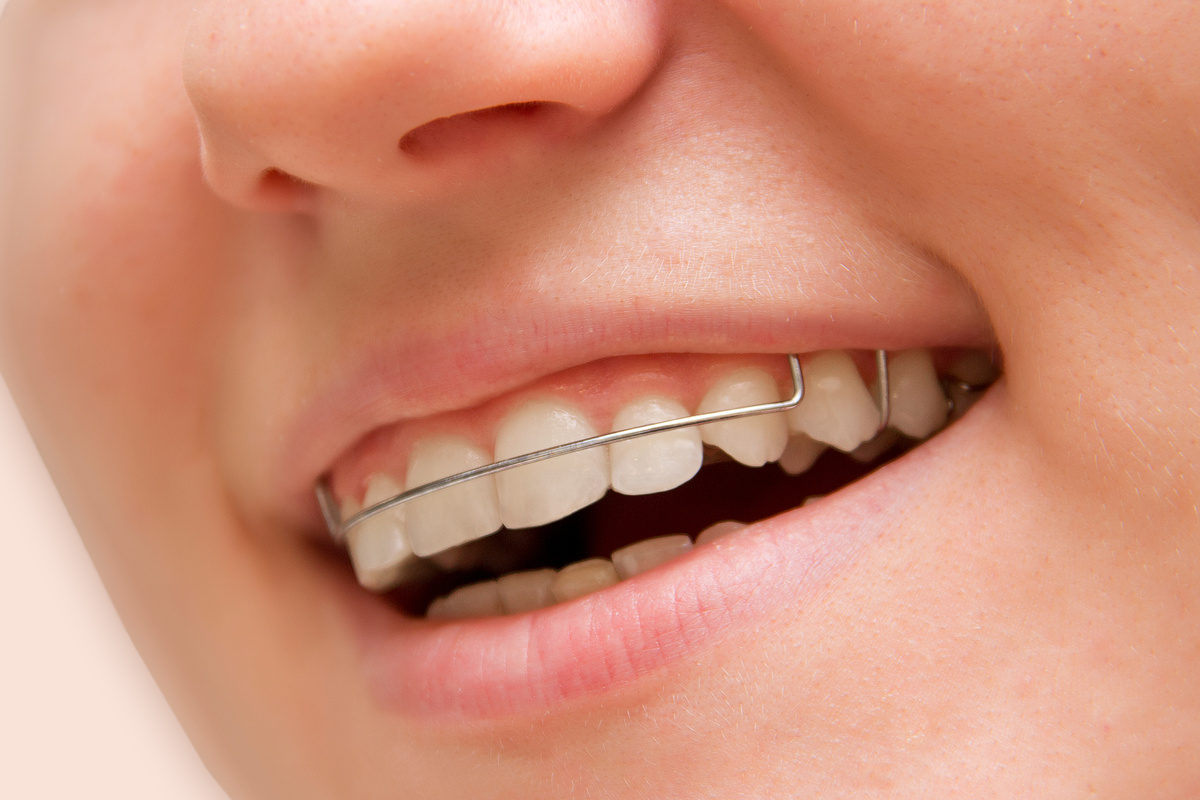
Another removable option is the Hawley retainer, which is an acrylic base with a wire that wraps around the front of your teeth, providing excellent durability and adjustability.
Fixed Retainers vs. Removable Retainers
Beyond removable options, fixed or permanent retainers offer an alternative approach to retention:
- Fixed retainers are a thin wire bonded to the back of your front teeth
- They provide continuous retention without requiring patient compliance
- They can remain in place indefinitely with proper care
- They prevent shifting in areas most prone to relapse
- They require special cleaning techniques to maintain oral hygiene
The decision between fixed and removable retainers often comes down to individual factors like compliance likelihood, specific orthodontic concerns, and personal preference. Some patients benefit from a combined approach—using fixed retainers for the lower front teeth (which are particularly prone to shifting) along with removable retainers for full-arch coverage and nighttime wear.
Caring for Your Retainers
Proper maintenance of your retainers is essential for both their longevity and your oral health. For removable retainers, daily cleaning with a soft toothbrush and mild soap or non-abrasive cleanser prevents bacteria buildup and prolongs their lifespan. Avoid hot water, which can warp the plastic, and always store your retainer in its protective case when not in use.
Fixed retainers require meticulous oral hygiene, including careful brushing around the wire and special flossing techniques using tools like floss threaders or water flossers. Regular dental checkups become even more important with fixed retainers to ensure no calculus builds up around the wire and that the bonding remains intact.
The Retainer Wearing Schedule
One of the most common questions after completing Invisalign treatment concerns how often and how long retainers need to be worn. While specific recommendations vary based on individual cases, most follow a gradual reduction schedule that balances biological necessity with practical lifestyle considerations.
Initially, most patients need to wear their removable retainers full-time (20-22 hours daily) for approximately 3-6 months. This period is critical as it allows the bone and supporting structures to reorganize around the teeth in their new positions. After this initial phase, many patients transition to nighttime-only wear, which can continue indefinitely to maintain results.
Long-Term Retention Strategies
The long-standing principle in orthodontics is that some form of retention is necessary for life if you want to maintain perfect alignment. Even after years of stability, factors like age-related changes, wisdom teeth eruption, or grinding can influence tooth position throughout adulthood. While the intensity of retention may decrease over time, abandoning retainers completely often leads to unwanted shifting.
We recommend some form of indefinite retention, typically nighttime wear of removable retainers or the maintenance of fixed retainers. This approach recognizes that our teeth continue responding to forces throughout our lives and that the minor inconvenience of ongoing retention far outweighs the potential need for retreatment if significant shifting occurs.
Common Challenges and Solutions in the Retention Phase
Even with the best intentions, patients may encounter challenges during the retention phase of treatment. A frequent issue is discomfort when resuming retainer wear after missing several days, which typically indicates that shifting has already begun. In these cases, wearing the retainer consistently for several days usually resolves the discomfort as teeth move back into their proper positions.
Another common problem is retainer damage or loss, which should be addressed immediately to prevent unwanted tooth movement. Having a backup retainer can provide peace of mind and ensure continuous protection for your investment. Additionally, retainers naturally wear out over time and typically need replacement every few years, depending on materials and individual factors like grinding habits.
When to Contact Esteem Dental
Certain situations warrant prompt communication with your dental provider:
- If your retainer does not fit properly or feels excessively tight
- If you notice visible shifting of teeth despite consistent retainer use
- If your retainer becomes damaged, cracked, or warped
- If a fixed retainer becomes loose or detached
- If you experience persistent discomfort with your retainer
Early intervention for these issues can prevent more significant problems and help maintain your treatment results without the need for corrective measures.
Choose Esteem Dental for Your Complete Orthodontic Care
At Esteem Dental, we pride ourselves on providing comprehensive orthodontic care that extends well beyond active treatment. Our family-focused practice in Winter Garden offers the convenience of receiving all your dental treatments in one location, from Invisalign therapy to personalized retention solutions and ongoing maintenance care.
Our experienced team understands that achieving a straight smile is just the beginning—maintaining those results requires proper guidance, quality retention devices, and ongoing support. We take time to educate our patients about the importance of the retention phase and create customized retention protocols based on individual needs. Whether you’re just beginning your Invisalign journey or transitioning to the retention phase, our goal is to ensure your investment results in a lifetime of healthy, beautiful smiles. For more information, schedule a consultation by filling out our contact form or calling us at (407) 476-5650.

Dr. Jordan Jones, DDS
Dr. Jordan Jones leads the experienced team at Esteem Dental, providing comprehensive family dental care to the Winter Garden and Lake Nona communities. With a focus on general dentistry, pediatric care, and orthodontics, Dr. Jones combines advanced techniques with a compassionate approach to ensure every patient receives personalized, quality treatment in a comfortable environment.
✓ Medically Reviewed
