
Medically Reviewed by Esteem Dental And Orthodontic Team on July 17, 2024
When it comes to restoring your smile, two common options are dentures and dental implants. Both have their unique benefits and can significantly enhance your quality of life. This guide will help you understand the differences between dental implants and dentures, so you can make an informed decision. But how do you decide which is right for you?
Each option has a few key distinctions, advantages, and considerations, helping you choose the best solution for your needs and lifestyle. Many patients are faced with choosing between these tooth replacement options, and finding the right tooth replacement depends on individual needs and preferences. The suitability of implants depends on factors such as oral health and bone structure. Luckily, our team at Esteem Dental can help you determine which dental procedures and treatments will likely be best for you. Whether you need dentures, dental implants, or another treatment entirely, we’re prepared to help. Feel free to contact our dedicated team to schedule a consultation and learn more about the process.
In this article, we’ll help you compare dentures and other tooth replacement options to find the right solution for your smile.
What Are Dentures?
Commonly called false teeth, dentures are removable prosthetics used to replace a missing tooth or a few missing teeth, as well as multiple or all teeth in a patient’s mouth. Full and partial dentures are used based on the patient’s circumstances: complete dentures are used when all teeth are missing in either the upper or lower jaw, while partial dentures are designed for patients with some remaining teeth to fill in the gaps caused by missing teeth. Upper dentures are a type of removable denture that covers the roof of the mouth.
Dentures are removable and can be made from many different materials. Traditional dentures and traditional removable dentures are typically made from acrylic or metal, while other options include nylon, resin, or porcelain, depending on the specific needs and lifestyle of the patient.
Dentures allow patients to speak, eat, and otherwise function more efficiently. These are also made to fit over a person’s gums, allowing for a more seamless appearance. Many denture wearers experience issues like discomfort or shifting, and denture wearers often need to adjust to the fit of their dentures. Dentures are a non-surgical option for tooth replacement and are long-lasting, as patients can keep some durable dentures for seven to ten years before replacing them.
What Are Dental Implants?
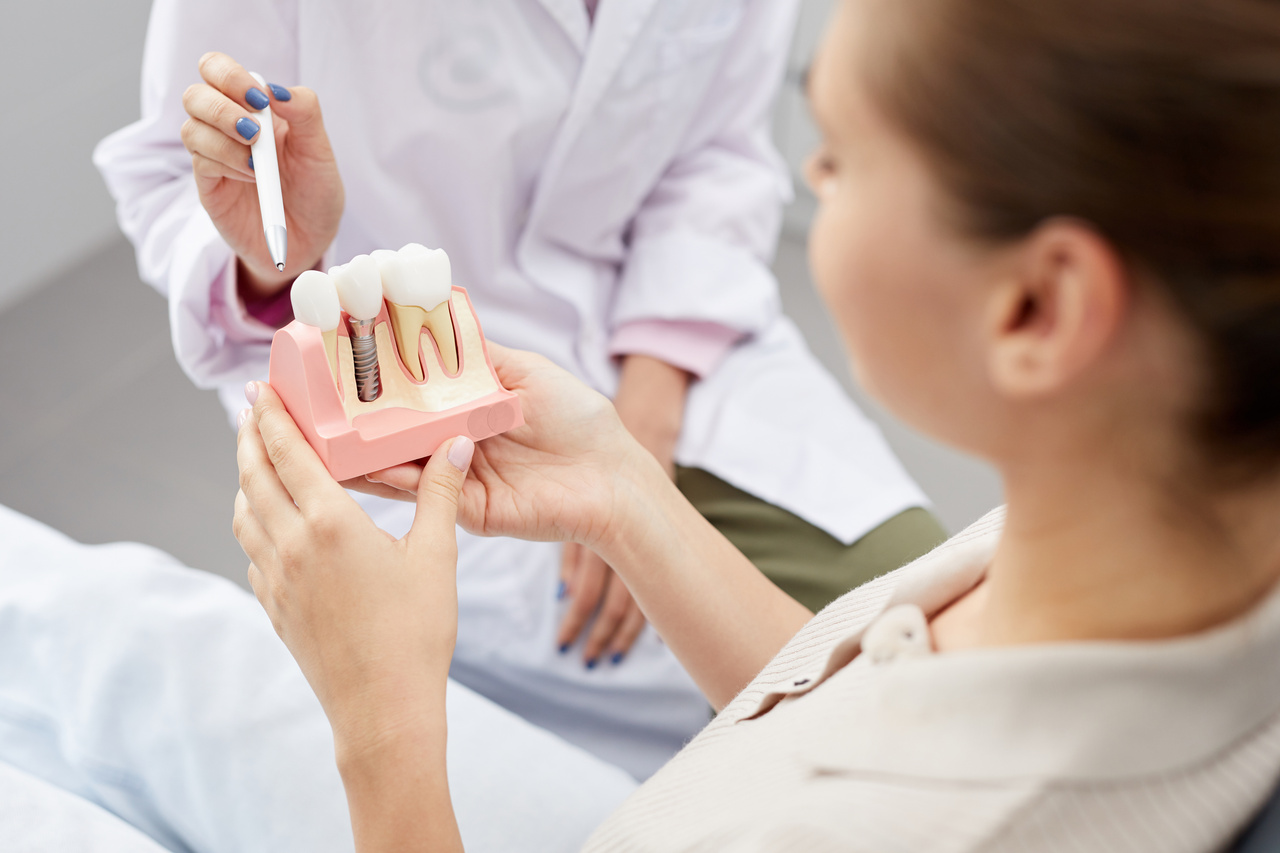
Dental implants are a surgical procedure that involves implant placement surgery, where an artificial tooth root is placed into the jawbone to replace missing teeth. This oral surgery is performed under local anesthesia to ensure patient comfort. The dental implant is then topped with a dental crown, which may need replacement every 10 to 15 years due to normal wear. The artificial tooth or prosthetic teeth are designed to mimic real teeth, providing a natural appearance and restoring oral function.
Dental implants can be used to replace a single tooth or multiple teeth, supporting replacement teeth for a complete smile. Implant-supported prosthetic teeth help maintain facial structure and preserve bone density by stimulating bone growth and supporting bone health. The success of dental implants depends on bone structure, jaw structure, bone density, and jawbone density; if bone preservation is insufficient, bone grafting may be required.
Permanent dentures and other dental prosthesis options are available, but dental implants are considered a more permanent solution compared to other tooth replacement options. Dental implants support replacement teeth that feel and function like natural teeth, helping most patients achieve a complete smile and maintain facial structure. Patients report high satisfaction with dental implants, as they closely resemble real teeth in both appearance and function.
It is important to note that dental implants require oral surgery and are not suitable for everyone. Suitability depends on existing teeth, bone health, and other individual factors. Typically, screws are made of titanium, but other options are available for those who have specific metal allergies, like zirconia.
Dental implants can be used for singular missing teeth, but some options replace entire rows of teeth. These options that replace multiple teeth are supported with a handful of screws implanted in the jaw, rather than each individual tooth having its own screw. This lowers the negative impact of healing when replacing multiple teeth.
Comparison Between Dentures and Implants
If cost is a significant concern for you, you should be made aware of the substantial cost differences between dentures and implants. Typically, an implant for an individual tooth will cost $1,600. However, a set of upper or lower jaw dentures will also cost about $1,600 each. This means that the dentures are far less expensive. One of the main dentures’ pros is their affordability and the fact that they are a non-invasive tooth replacement option.
Dentures also do not require surgery, while implants require a handful of office visits to the dentist. Additionally, dentures are more likely to be readily available than implants, and they can be removed throughout the day for any reason. Their ease of removal also simplifies the cleaning process for these dental tools. Many patients start with a removable denture and later transition to dental implants for improved comfort and function.
Implants may be more comfortable for some patients than dentures, which may not stay in place to the degree a patient wishes. Dental implants’ pros include greater stability, prevention of bone loss, and long-term oral health benefits. Choosing the right tooth replacement option depends on whether you need to replace one or more teeth, as well as your budget and health needs. There are other tooth replacement options available, but this article focuses on dentures vs implants to help you decide which is best for your situation.
Hygiene and Maintenance
Maintaining excellent hygiene and proper care is essential for the long-term success of both dentures and dental implants. Whether you’re a denture wearer or have chosen dental implants to replace missing teeth, a consistent cleaning routine will help protect your oral health and keep your new teeth looking and feeling their best.
For those with dentures, daily removal and thorough cleaning are key. Removable dentures should be gently brushed with a soft-bristle toothbrush and mild soap to remove food particles and plaque. Soaking your denture in a cleaning solution overnight not only keeps it fresh but also helps prevent bacteria buildup. It’s equally important to clean your gums and any remaining natural teeth to reduce the risk of gum disease and ensure your dentures continue to fit comfortably.
Dental implants, including implant-supported dentures, require care similar to natural teeth. Brushing twice a day with a soft-bristle toothbrush and non-abrasive toothpaste, along with daily flossing, helps remove plaque and maintain healthy surrounding teeth and gums. For those with implant-supported dentures, using a water flosser or interdental brush can help clean around the implants and reach areas that are difficult to access with regular brushing. Regular dental check-ups are crucial to monitor the health of your implants and detect any early signs of bone loss or gum disease.
Proper care not only preserves the appearance and function of your dentures or dental implants but also helps prevent complications such as bone loss, gum disease, and implant failure. Many dental insurance plans cover routine cleanings and check-ups, making it easier to maintain your oral health and protect your investment in tooth replacement.
By following a dedicated hygiene routine and visiting your dentist regularly, you can extend the life of your dentures or dental implants and enjoy a healthy, confident smile for years to come. Whether you choose dentures or dental implants, proper care is the foundation for long-term oral health and the best way to ensure your new teeth continue to support your lifestyle.
Contact Esteem Dental to Schedule a Consultation With Our Talented Team
At Esteem Dental, we understand the importance of making an informed decision about your dental health. Our compassionate and experienced team is here to guide you through the process, whether you’re considering dentures, dental implants, or another treatment. We take pride in offering personalized care tailored to your unique needs and lifestyle.
Our state-of-the-art facility in Lake Nona, FL, ensures you receive the highest quality dental care in a comfortable and welcoming environment. We’re dedicated to helping you achieve a confident and healthy smile. Schedule a consultation with us today by calling (407) 476-5650 or completing a contact form.

Dr. Jordan Jones, DDS
Dr. Jordan Jones leads the experienced team at Esteem Dental, providing comprehensive family dental care to the Winter Garden and Lake Nona communities. With a focus on general dentistry, pediatric care, and orthodontics, Dr. Jones combines advanced techniques with a compassionate approach to ensure every patient receives personalized, quality treatment in a comfortable environment.
✓ Medically Reviewed
