
Medically Reviewed by Esteem Dental And Orthodontic Team on February 5, 2026
When plaque builds up beneath your gums and regular brushing can’t reach it, your oral health enters a critical phase where professional intervention becomes necessary. The difference between regular cleanings and deep cleanings is not simply a matter of intensity—it’s about treating two entirely different conditions.
At Esteem Dental, our team understands that preventive dental care forms the foundation of good oral health. Regular cleanings maintain healthy gums, while deep cleanings address periodontal disease when it develops.
What Happens During a Regular Dental Cleaning
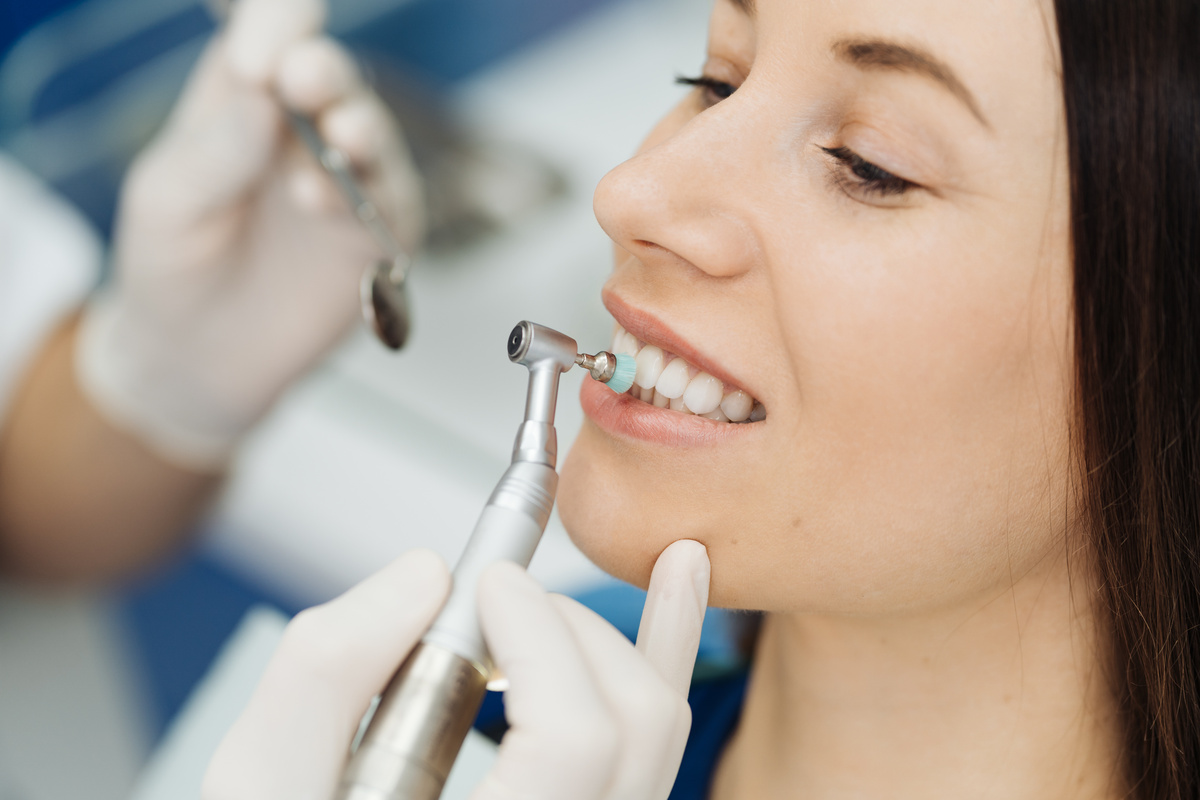
Regular dental cleanings, also known as prophylaxis, focus on preventing gum disease through routine maintenance. During these appointments, our dental hygienists remove plaque and tartar from tooth surfaces and slightly below the gumline. The process typically includes polishing teeth to remove surface stains and applying fluoride treatment for additional protection.
Most patients with healthy gums benefit from routine cleanings every six months. These appointments serve as preventive care, keeping your teeth clean and your gums healthy before problems develop. The hygienist will also examine your gums, check for cavities, and take X-rays if needed to monitor your oral health status.
Regular cleanings typically take 30 to 60 minutes and cause minimal to no discomfort. Patients can eat, drink, and continue their normal routines immediately after the appointment without any recovery period.
Understanding Deep Cleaning and When It’s Needed
Deep cleaning, medically termed scaling and root planing, treats active gum disease rather than preventing it. This therapeutic procedure removes bacterial deposits from deep within periodontal pockets—spaces that form when gums pull away from teeth. According to the Centers for Disease Control and Prevention, approximately 42% of adults aged 30 and older in the United States have some form of periodontal disease, with this number increasing significantly among older populations.
The procedure involves two distinct steps:
- Scaling: Removal of plaque and tartar from below the gumline and within periodontal pockets
- Root planing: Smoothing tooth root surfaces to help gums reattach and prevent future bacterial accumulation
- Local anesthesia: Typically administered to ensure patient comfort during the procedure
Our dental professionals perform deep cleanings only when clinical signs indicate disease, such as periodontal pockets measuring 4mm or deeper, bone loss visible on x-rays, or gums that bleed when probed. Deep cleaning appointments may require multiple visits depending on the extent of periodontal disease, with each session focusing on specific areas of the mouth.
Signs You May Need a Deep Cleaning
Several warning signs indicate that you may need deep cleaning rather than routine maintenance. Persistent bad breath that doesn’t improve with brushing often signals bacterial buildup below the gumline. Gums that bleed regularly during brushing or flossing suggest inflammation beyond what normal cleaning can address.
Other indicators include gums that appear red, swollen, or tender to the touch. You may notice that your gums have receded, making your teeth look longer than they once did. Loose teeth or changes in how your teeth fit together when you bite can signal advanced periodontal disease requiring immediate treatment.
If you experience any of these symptoms, scheduling a comprehensive dental examination helps determine whether deep cleaning is necessary to restore your oral health.
Key Differences Between the Two Procedures
Regular cleanings address tooth surfaces accessible through normal hygiene practices. Deep cleanings target disease-causing bacteria dwelling in areas your toothbrush and floss cannot reach. The distinction reflects the difference between maintenance and treatment.
Frequency represents another crucial difference. While routine cleanings occur twice yearly for healthy patients, deep cleaning often requires just one comprehensive treatment. Following this initial therapy, patients with periodontal disease typically need periodontal maintenance appointments every three to four months to prevent disease progression.
Cost also differs between the two procedures. Insurance coverage varies, but many dental plans cover regular cleanings at 100% as preventive care. Deep cleaning, classified as a periodontal treatment, may require cost-sharing depending on your specific plan.
Recovery and What to Expect
After regular cleaning appointments, patients can immediately resume normal activities without discomfort. Deep cleaning procedures may cause temporary sensitivity or slight gum soreness that typically resolves within a few days. Our team provides specific aftercare instructions to promote healing and maintain treatment results.
Following deep cleaning, you may need to avoid certain foods temporarily and use prescribed antimicrobial mouth rinses to support healing. Most patients notice significant improvement in gum health within weeks as inflammation decreases and gum tissue begins reattaching to tooth roots.
The investment in deep cleaning extends beyond immediate oral health benefits. Untreated periodontal disease can lead to tooth loss and has been linked to systemic health conditions, including cardiovascular disease and diabetes complications.
Schedule Your Cleaning at Esteem Dental
Whether you need preventive care through regular cleanings or therapeutic treatment with deep cleaning, our experienced dental team provides comprehensive periodontal services in a comfortable, professional environment. Dr. Jordan Jones and our hygienists utilize advanced techniques to ensure optimal outcomes for patients at both our Lake Nona and Winter Garden locations. We accept most major insurance plans, including Aetna PPO, Blue Cross Blue Shield PPO, Cigna PPO, Delta, UnitedHealthcare PPO, and Medicare, and offer flexible financing options through Care Credit and Lending Club to make quality dental care accessible.
Don’t let gum disease progress—early detection and proper treatment protect your smile for years to come. Contact our office to schedule your dental cleaning appointment today.

Dr. Jordan Jones, DDS
Dr. Jordan Jones leads the experienced team at Esteem Dental, providing comprehensive family dental care to the Winter Garden and Lake Nona communities. With a focus on general dentistry, pediatric care, and orthodontics, Dr. Jones combines advanced techniques with a compassionate approach to ensure every patient receives personalized, quality treatment in a comfortable environment.
✓ Medically Reviewed
